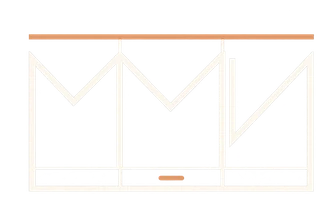
Mixed-material shelves
Metal and board can create a visually light framework; shelf thickness and anchors still depend on the books or objects it will carry.
A black profile alone does not make a cabinet industrial. Its section, the load it carries and the amount of contrast the room can absorb all matter.
This approach exposes fixings, joints and materials. Each needs a purpose beyond looking like an industrial detail.
Metal and board can create a visually light framework; shelf thickness and anchors still depend on the books or objects it will carry.
Weight, swing and tolerances are checked before choosing a profile. A wide frame can take away useful light and surface.
A coating sample helps judge marks, cleaning and abrasion in the intended position.
Oak, veneer and printed board are different constructions. The quote separates the visible face from its substrate.
Where pipes or ducts belong to the room, we keep maintenance access in mind before fixing furniture in front of them.
In a dim flat, a large black grid may dominate. Open sections, panels and lighter tones can soften it.
Loads, opening paths and cleaning lead the drawing; the look follows from how the furniture is built.
Books weigh more than a few ceramics. We ask what the unit will hold before setting shelf span, thickness and fixing. A polished rendering says little about safe capacity.
Visible metal also exposes how parts meet. We decide whether the cabinet arrives assembled or in sections, which matters for lifts and staircases in Barcelona. Accessible fixings make later adjustment easier.
Finishes have different textures and sheen. View a sample beside the windows, floor and other metalwork, then consider how contact marks will show.
Glass can lighten a composition but adds weight to the front. It is specified alongside hinges, frame and swing, rather than swapped in at the end.
Exposed brick, services and a dark floor may provide enough industrial cues. One controlled material contrast often serves the room better than repeating every feature.
A floor-to-ceiling metal bookcase may need to arrive in sections to pass through the entrance, lift and landings. We decide where those joints sit and whether they remain visible. The wall also needs checking: plasterboard, brick and concrete call for different fixings. These decisions affect the drawing and price more than another decorative dark profile.
 Photo collection
 Furniture inspiration from MMV Estudio
View on Instagram Photo collection
 Furniture inspiration from MMV Estudio
View on Instagram Photo collection
 Furniture inspiration from MMV Estudio
View on Instagram Photo collection
 Furniture inspiration from MMV Estudio
View on Instagram Photo collection
 Furniture inspiration from MMV Estudio
View on Instagram Photo collection
 Furniture inspiration from MMV Estudio
View on InstagramStrength depends on sections, joints, support and expected load. The look of a profile alone does not establish capacity.
Yes. Pale boards and less visible framing can retain a structural character without darkening the room.
Dimensions, expected load, substrate, finish and assembly route are all relevant.
Photograph the fixing wall and describe the items destined for shelves or cabinets. Rough dimensions and the floor level help us consider frame sections, anchoring and how components can reach the room.