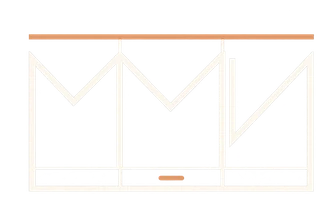
Grain across adjacent doors
If several fronts are seen together, we plan how the pattern moves between them before cutting. A small sample does not show the full composition.
Natural veneer shows real wood grain on a supporting board. Across a long run of doors in a Barcelona flat, the key choices are often how the leaves meet and what their colour looks like beside the floor and daylight.
The right decision connects appearance with construction and maintenance. For projects in Barcelona, we also check the actual light, access and conditions in the room.
If several fronts are seen together, we plan how the pattern moves between them before cutting. A small sample does not show the full composition.
Veneer brings natural variation without making the whole door from solid wood. Substrate, reverse face and edging are part of the panel specification.
Varnish, oil or another treatment shifts the appearance. Approve a sample of the finished surface, not only the untreated species.
Front veneer and edging need not be the same material. The detail follows position, use and the appearance you want when opening the piece.
Veneered doors can sit beside melamine bodies or lacquered fronts. Look at the samples together under the room’s light.
Grain, tone and knots follow the product and selected leaves. Agree the acceptable range before commissioning.
Species, leaf arrangement and final finish change how an entire wardrobe wall reads.
A name such as oak does not settle the final colour. Cut, batch and finish matter. If a table or floor remains, view samples beside it and decide whether to match the tone or make a deliberate contrast.
Adjacent doors can have a continuous, mirrored or more varied pattern. That choice affects cutting and material use. For a long wall, approve a layout of the fronts rather than relying on a photograph of one board.
A panel has a visible face and a reverse. The grade needed behind depends on whether it stays hidden or is seen when a door opens. Substrate and edging also need naming; “natural veneer” alone leaves much of the cabinet unspecified.
Natural wood looks different beside a window and in a dark hallway. The chosen finish determines care and the way the surface changes over time. A fresh sample will not look exactly like furniture exposed to daylight for years.
Check species or product reference, core, both faces, grain arrangement, finish and edging. Fittings and installation belong in the same comparison. Similar-looking surfaces can conceal different construction.
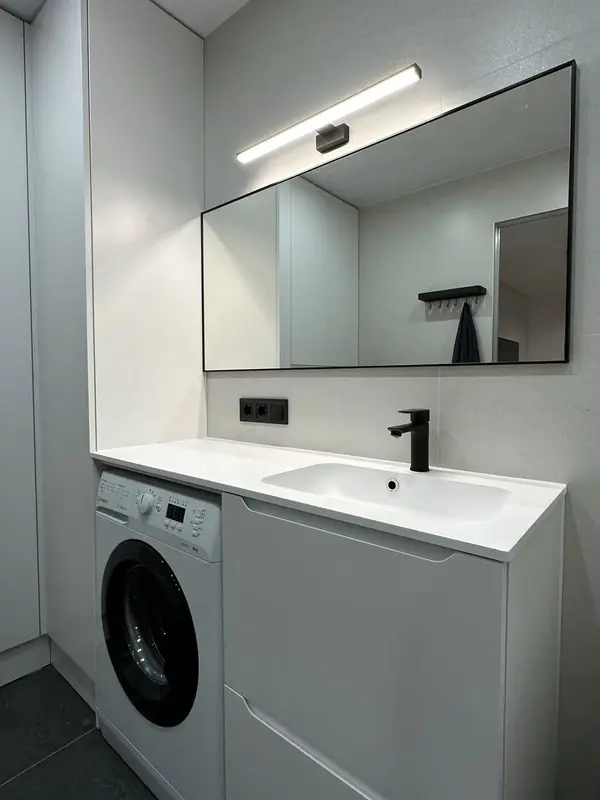 Photo collection
 Furniture inspiration from MMV Estudio
View on Instagram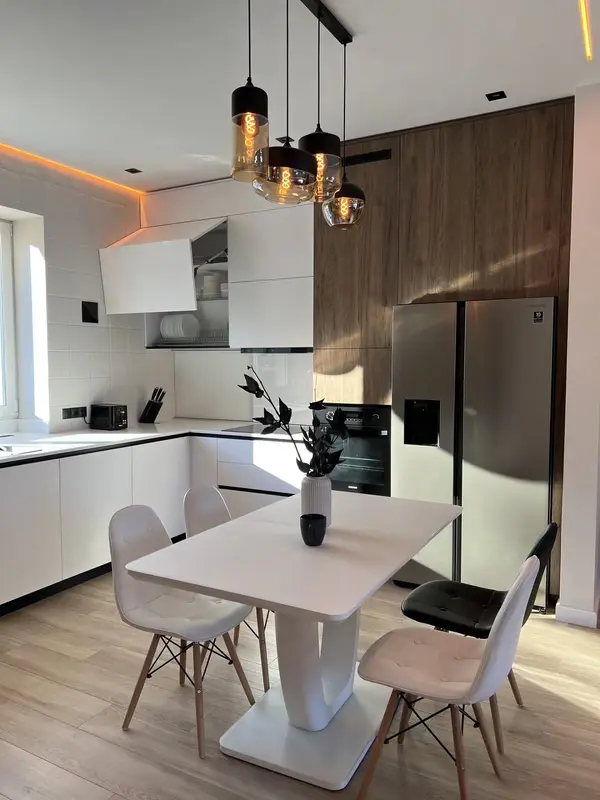 Photo collection
 Furniture inspiration from MMV Estudio
View on Instagram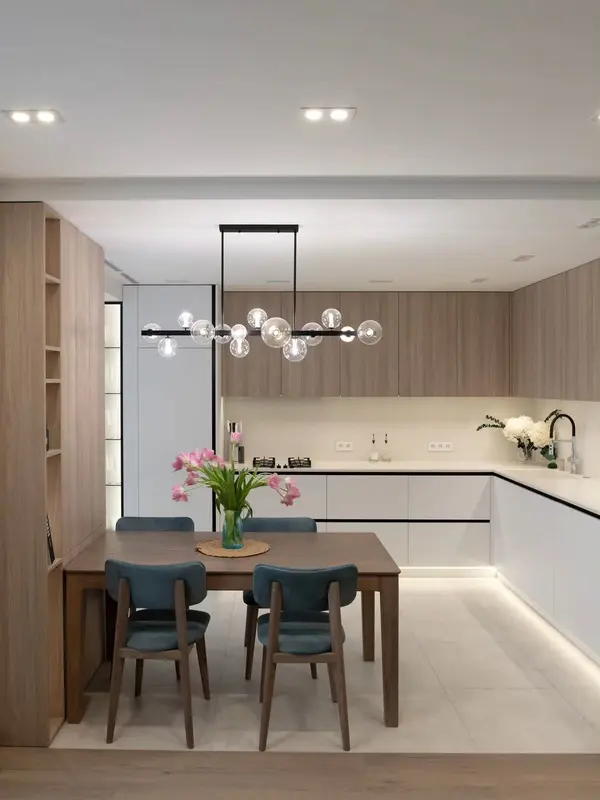 Photo collection
 Furniture inspiration from MMV Estudio
View on Instagram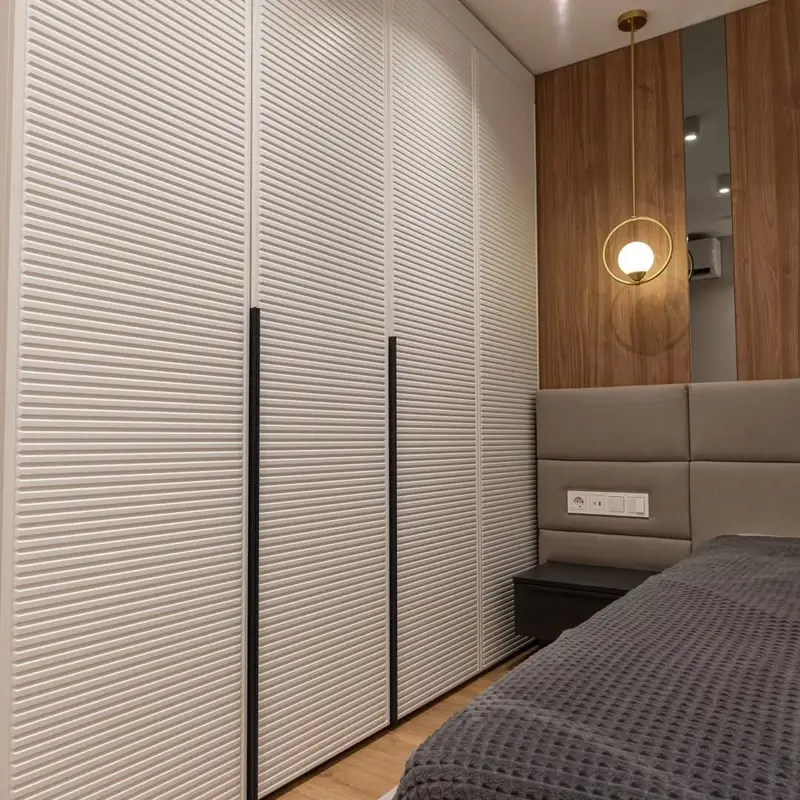 Photo collection
 Furniture inspiration from MMV Estudio
View on Instagram Photo collection
 Furniture inspiration from MMV Estudio
View on Instagram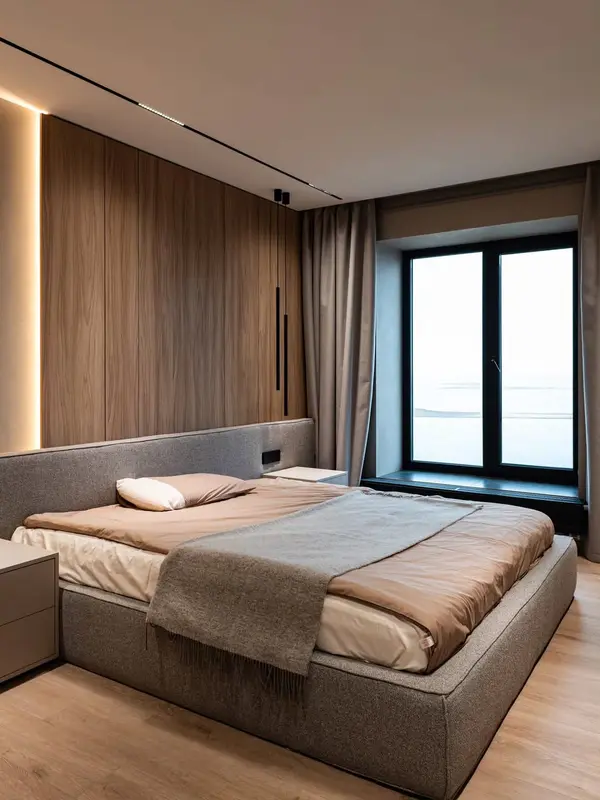 Photo collection
 Furniture inspiration from MMV Estudio
View on InstagramNo. Veneer is a layer of timber on a substrate. The grain is real but the component is built differently from solid timber.
It can if the cutting plan and matching method are specified first, subject to the sheet format and availability.
Exact identity should not be promised with natural timber. A sample shows species and finish; we also agree the acceptable variation.
Send a photo of the wall, rough dimensions and any floor or furniture you are keeping. We can then compare grain and finish options.