Working surfaces
For a counter or desk, the laminate data helps compare expected wear. We also review how the piece is supported and where it meets other materials.
HPL is a surfacing material for worktops, fronts and panels. It cannot be specified alone: the substrate, edge, exposure to water and expected cleaning all matter to the finished piece.
The right decision connects appearance with construction and maintenance. For projects in Barcelona, we also check the actual light, access and conditions in the room.
For a counter or desk, the laminate data helps compare expected wear. We also review how the piece is supported and where it meets other materials.
One pattern can continue across fronts or panelling. Sheet size, grain direction and edging determine whether that continuity looks convincing.
The exposed face may clean easily, but an unprotected cut-out changes the whole assembly. Pipe routes and joints need detailing.
Gloss, texture and shade change how fingerprints or wear appear. Compare physical samples under the room’s light.
A domestic table and a busy reception desk face different demands. We select a particular grade from its data sheet, not from the letters HPL alone.
Ask for cleaning instructions for the finish chosen. Avoid treatments or direct heat beyond the product’s stated use.
Formica distinguishes standard laminates from compact grades with different thicknesses and uses. A quote should identify which product is meant.
Standard HPL is bonded to a supporting board; not every sheet is a self-supporting worktop. We specify what sits beneath and how the panel is balanced. Manufacturer data and the piece design guide that decision.
In a kitchen or bathroom, the junction with wall, sink and fittings should be drawn first. If water can sit at a seam, the properties of the visible surface alone do not solve the problem.
High gloss and very dark colours may show marks differently from a textured surface. Use a sample and the exact care information, especially for counters cleaned repeatedly throughout the day.
Ranges can include bonding sheets and self-supporting compact boards. Thickness and applications differ; we do not substitute one for the other without revisiting use, supports and cost.
Surface, substrate, edging, cut-outs, fittings and installation are listed separately. That makes two quotations comparable even if both call the finish HPL. Sheet sizes and the number of joints can affect the result too.
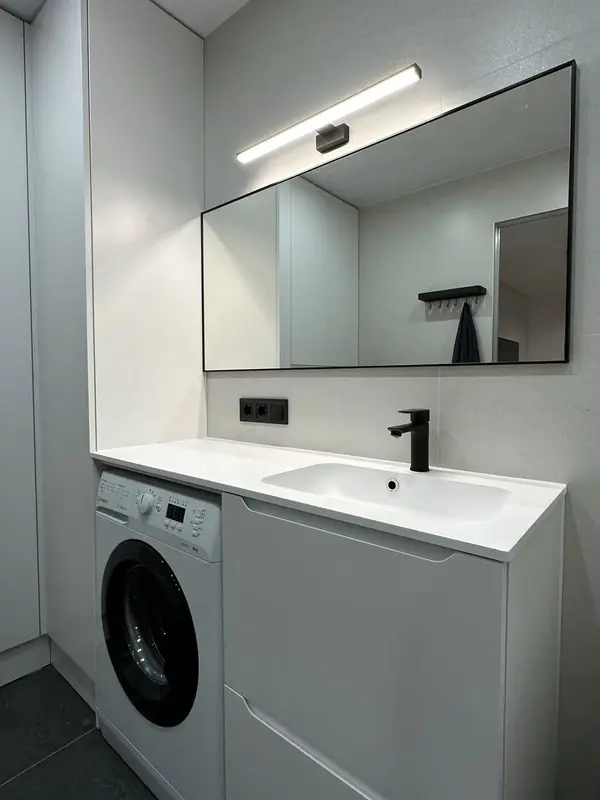 Photo collection
 Furniture inspiration from MMV Estudio
View on Instagram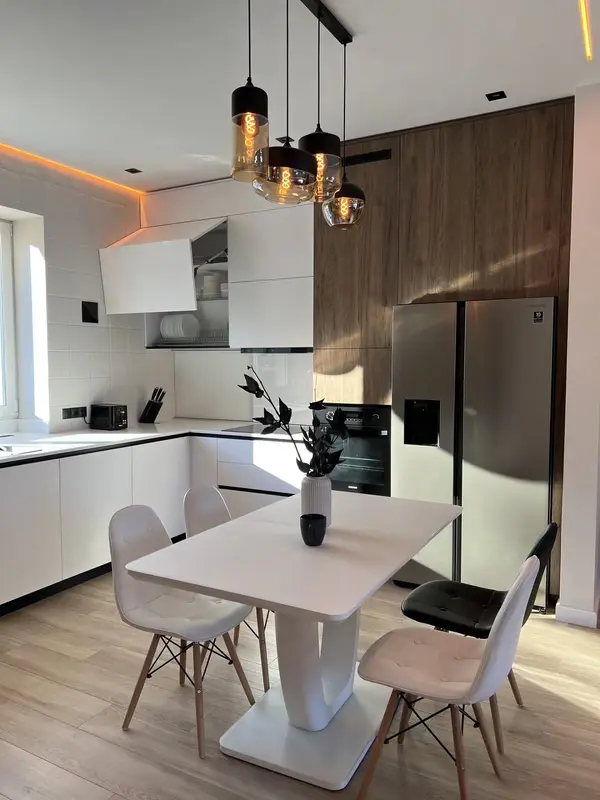 Photo collection
 Furniture inspiration from MMV Estudio
View on Instagram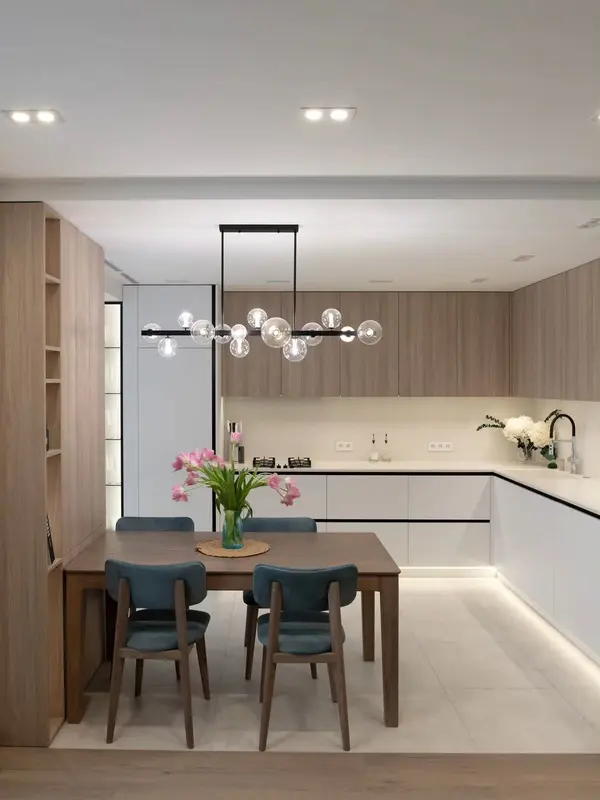 Photo collection
 Furniture inspiration from MMV Estudio
View on Instagram Photo collection
 Furniture inspiration from MMV Estudio
View on Instagram Photo collection
 Furniture inspiration from MMV Estudio
View on Instagram Photo collection
 Furniture inspiration from MMV Estudio
View on InstagramNo. Substrate, bonding, edges, seams and fitting must all be considered. The sheet’s rating does not automatically describe the assembled cabinet.
They are different constructions. Compare the specified sheet or board, edging and intended use on the same piece of furniture.
Ask for a sample of the exact reference and view it in the room beside finishes that will remain.
Tell us where the piece will sit, how it will be cleaned and whether water, heat or heavy wear are involved. We can then cost a suitable surface and substrate.