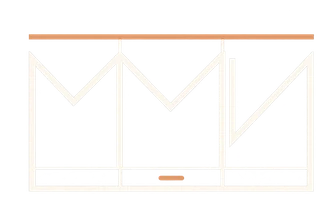
Fronts with detail
Grooves, frames and finger pulls belong to the door design. Thicknesses and corner radii are checked before the final finish.
Lacquered MDF can give doors and panels an even colour, including some machined profiles. The right choice depends on shape, sheen, light and cleaning, as well as the underlying board and finishing process.
The right decision connects appearance with construction and maintenance. For projects in Barcelona, we also check the actual light, access and conditions in the room.
Grooves, frames and finger pulls belong to the door design. Thicknesses and corner radii are checked before the final finish.
An approved sample helps coordinate a wardrobe, panel and living-room unit. Daylight and sheen can shift how it appears.
Lacquer covers a prepared surface, but later cuts and exposed areas need proper detailing. We resolve these before finishing.
Fingerprints and fine scratches show differently with colour, gloss level and lighting. Look at a sample where the furniture will stand.
An even colour can sit beside natural veneer or a wood-effect board. Proportions decide whether the textures support one another.
Care follows the actual lacquer system. If a front is damaged, check the compatible repair before using a general treatment.
The colour is only one choice. Construction and surface preparation account for much of the result.
The word alone does not identify board, layers or finish. Ask for the core, colour, gloss level and edge treatment. These details show what is proposed for doors, sides and larger panels.
A moulded door, finger pull or curved edge may need different preparation from a plain front. We settle section, thickness and hardware positions before making it; the shape must still open and clean comfortably.
Do not choose white or grey solely on a screen. View it beside the floor and existing joinery, in daylight and with lamps on. Across a large area, sheen can change how the tone feels.
A finished face does not make every cabinet suitable for constant moisture. In kitchens and bathrooms we review substrate, seams, cut-outs, ventilation and position. Suitability follows the specified system as a whole.
Follow the finish manufacturer’s care advice. Avoid abrasives and test any cleaning product before using it across a door. If a front is struck, ask whether a local repair or full-face treatment makes sense.
 Photo collection
 Furniture inspiration from MMV Estudio
View on Instagram Photo collection
 Furniture inspiration from MMV Estudio
View on Instagram Photo collection
 Furniture inspiration from MMV Estudio
View on Instagram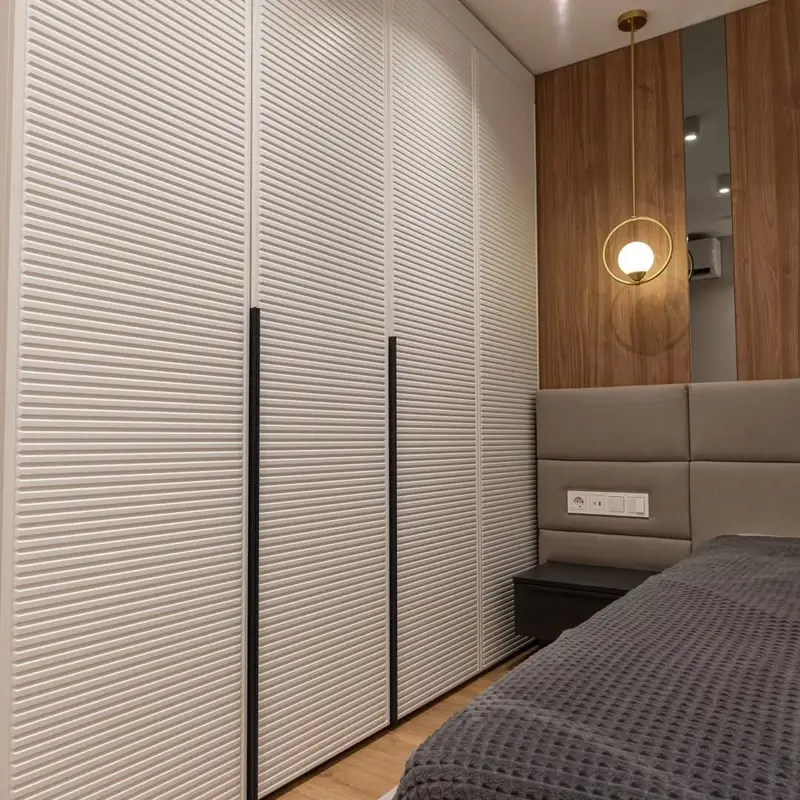 Photo collection
 Furniture inspiration from MMV Estudio
View on Instagram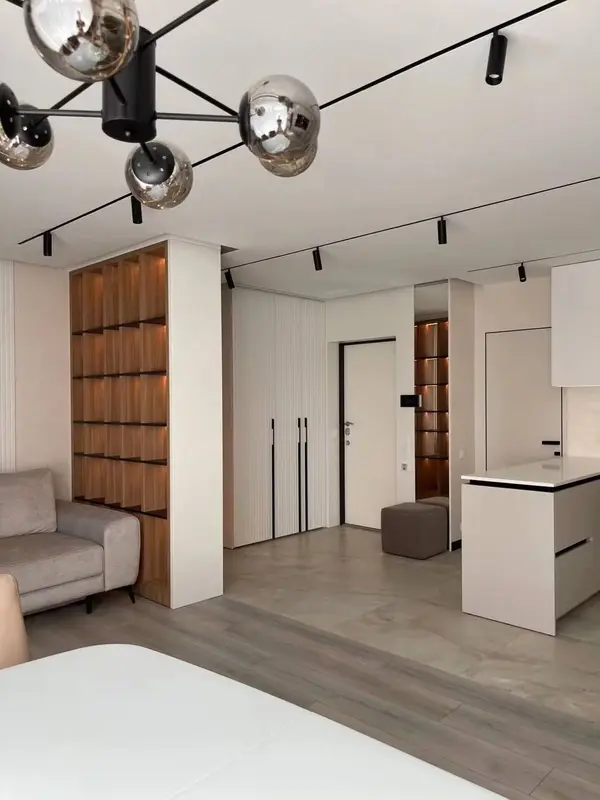 Photo collection
 Furniture inspiration from MMV Estudio
View on Instagram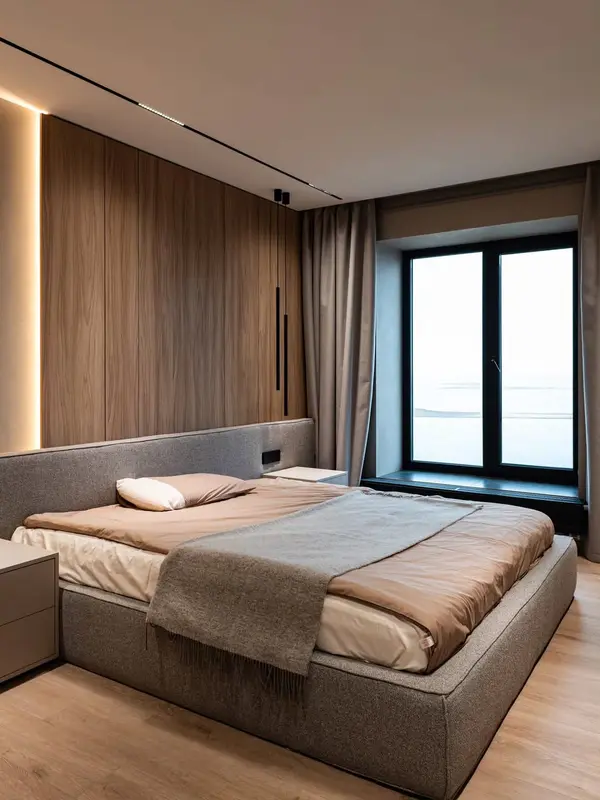 Photo collection
 Furniture inspiration from MMV Estudio
View on InstagramThat cannot be assumed without the board, finishing system and edges. We assess exposure and construction for the particular room.
Reflection, perceived colour and the visibility of some marks change. A real sample in the room helps.
Yes. The cabinet interior can use another specification; the quotation should separate fronts, bodies and fittings.
Send photos, rough dimensions and the colour you have in mind. We will identify the board, shape and samples needed before a final price.