Tabletop
Width, joints and the fixing to its base allow for the timber’s movement.
Solid timber is useful when the section, edge or grain of a piece is part of the design. For a table or bench we consider species, dimensions and natural wood movement before settling the finish.
The right decision connects appearance with construction and maintenance. For projects in Barcelona, we also check the actual light, access and conditions in the room.
Width, joints and the fixing to its base allow for the timber’s movement.
Thickness and supports respond to load and length, not only the appearance of the plank.
Solid handles and edges can bring a particular feel where a larger panel calls for another construction.
Each board has its own pattern. We agree species and selection criteria without promising exact repetition.
Wide doors or long panels may benefit from a mix of solid wood and more stable boards. The design names each part.
Oil and varnish need different routines. The quote identifies the finish and its instructions.
A genuine timber section allows particular details but calls for attention to moisture and fixings.
Oak, ash and walnut are starting points, not fixed colours. Cut, board selection and finish all alter the result. We show samples and explain expected variation for the chosen reference.
Timber responds to changes in ambient moisture. Across a wide top, the connection to its base needs to allow that movement. We review size, grain direction and location before copying a solution from a photograph.
Every part of a cabinet need not be solid. A table may have a timber top and differently built supports; a large wardrobe may use veneered fronts. Each component is named so appearance is not mistaken for construction.
Care depends on whether the surface is varnished, oiled or treated another way. Some marks can be addressed locally; others need a larger intervention. Avoid a general treatment without knowing the existing protection.
Species and quantity matter, but so do preparation, machining, joints, finish and moving a heavy piece into place. A useful quotation sets these out and states what installation work is included.
 Photo collection
 Furniture inspiration from MMV Estudio
View on Instagram Photo collection
 Furniture inspiration from MMV Estudio
View on Instagram Photo collection
 Furniture inspiration from MMV Estudio
View on Instagram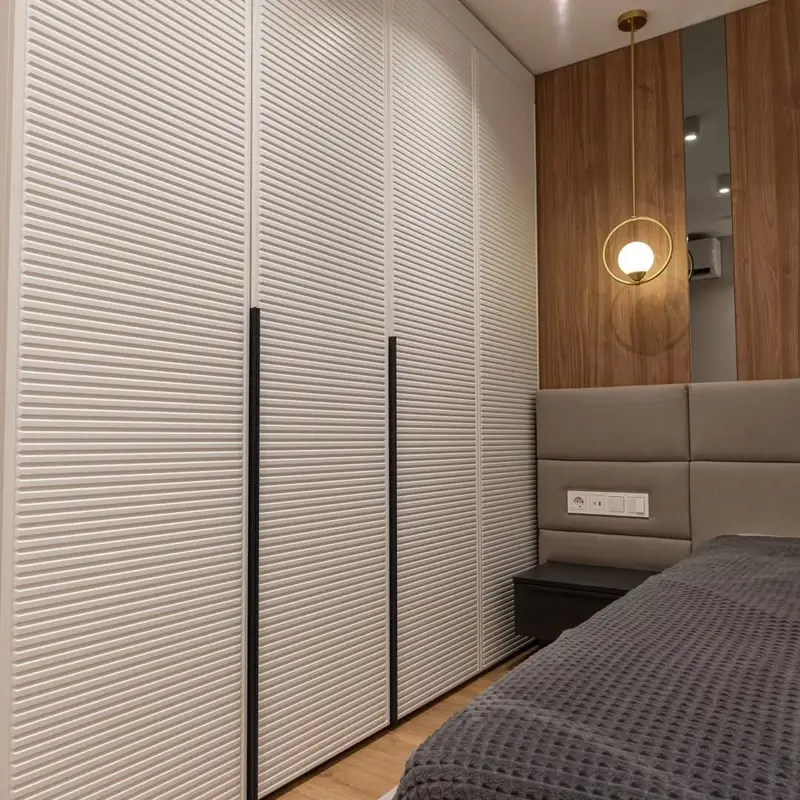 Photo collection
 Furniture inspiration from MMV Estudio
View on Instagram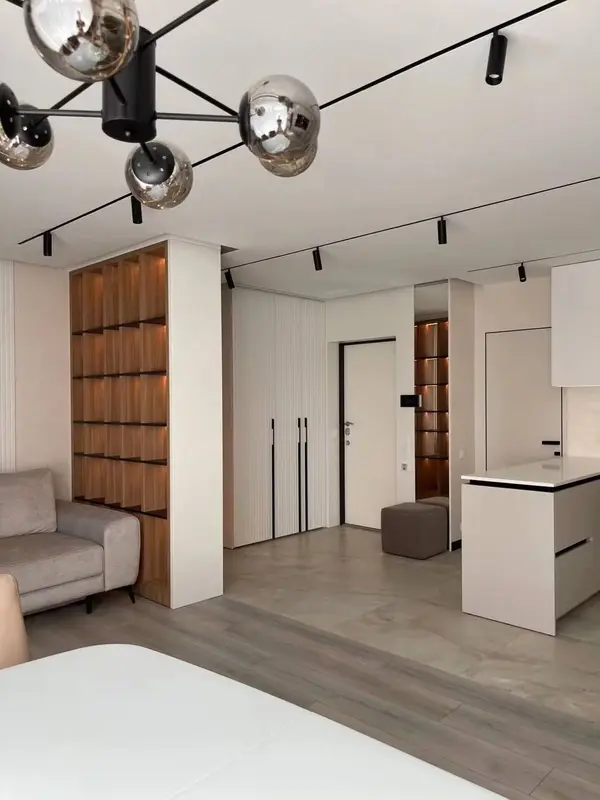 Photo collection
 Furniture inspiration from MMV Estudio
View on Instagram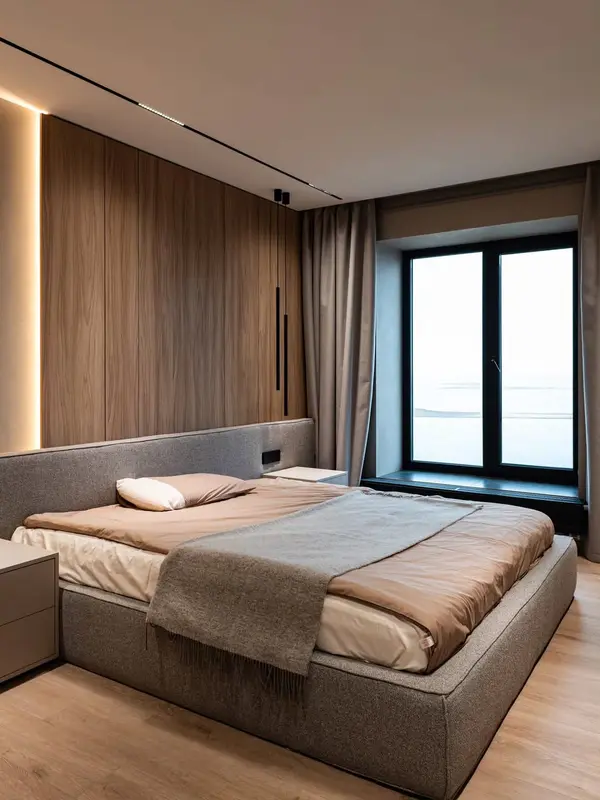 Photo collection
 Furniture inspiration from MMV Estudio
View on InstagramWood responds to humidity changes. Joints and fixings should allow for that; the exact behaviour depends on species, dimensions and conditions of use.
It can be assessed, though weight, width, stability and fittings should be compared with a veneered or other construction.
Follow the instructions for the applied system. Oil, lacquer and varnish do not have identical care requirements.
Send rough dimensions, a room photograph and intended use. We will compare species, section, joints and finish before the final price.